
Wellness vs Longevity: Hospitality’s New Identity Shift
Five years ago, every hotel wanted to become a wellness destination. Today, everyone wants to become a longevity destination. Somewhere along the way, wellness became "old news" and longevity became the industry's newest buzzword.
But what actually changed? Did wellness disappear? Is longevity simply a new name for wellness? Or are they fundamentally different disciplines?
Part 1. Wellness came first
Wellness, as a movement, emerged from a very human need: to feel better in everyday life.
It grew in response to stress, burnout, disconnection and the increasing pace of modern living. Its foundation is experiential rather than clinical. Wellness draws from disciplines such as mindfulness, fitness, nutrition, sleep health and emotional wellbeing, but its unifying principle is simple: improving quality of life as it is perceived by the individual.
At its core, wellness asks a subjective question: “How do I feel?”
The answers are personal and intuitive:
I feel more relaxed
I feel lighter
I feel less stressed
I feel more energised
I feel restored
A massage is effective because it feels restorative, a retreat is valuable because it creates a sense of clarity, a meditation session is meaningful because it calms the mind.
Wellness does not always require measurement to be validated; its success is often understood through experience alone. It is intuitive, emotional and deeply human.
Part 2. Longevity: The Science of Optimization
Longevity, by contrast, comes from a very different origin.
It is rooted in biological research, preventive medicine and performance science. Rather than focusing on how a person feels in the moment, longevity focuses on how the body is functioning over time, and how that function can be improved, slowed or optimized.
The guiding question shifts from subjective experience to objective performance:
How is my body functioning and how can it function better for longer?
This introduces a fundamentally different framework. Longevity is not driven by sentiment, but by outcomes. It is less concerned with how an intervention feels and more concerned with what it changes physiologically.
This is where measurement becomes essential.
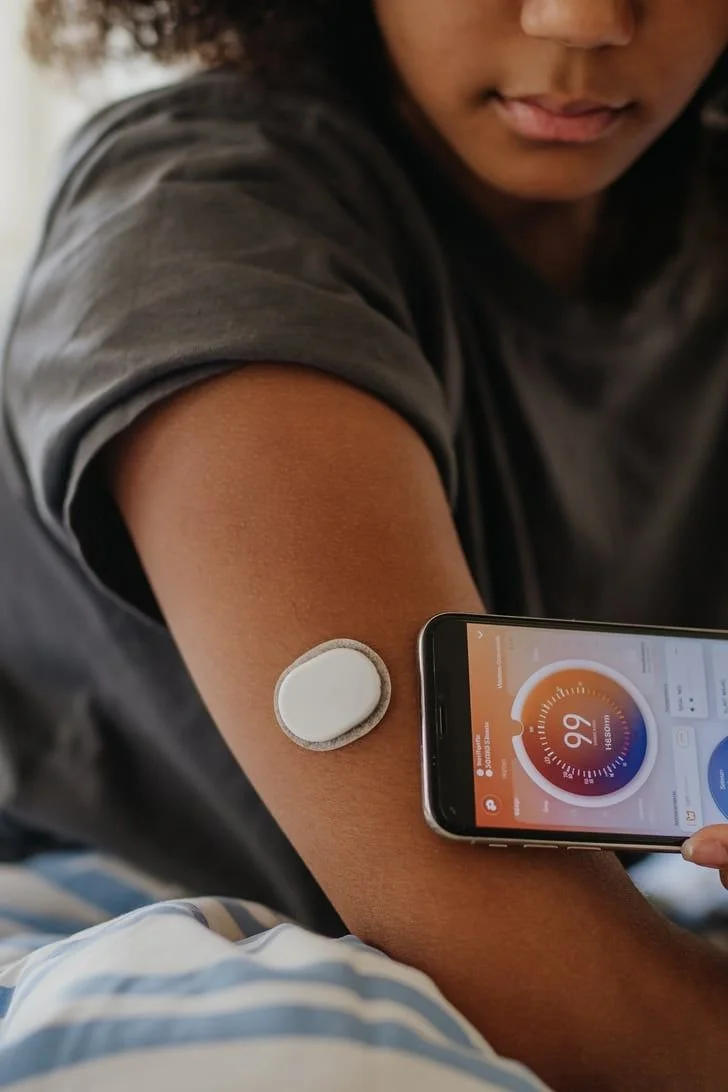
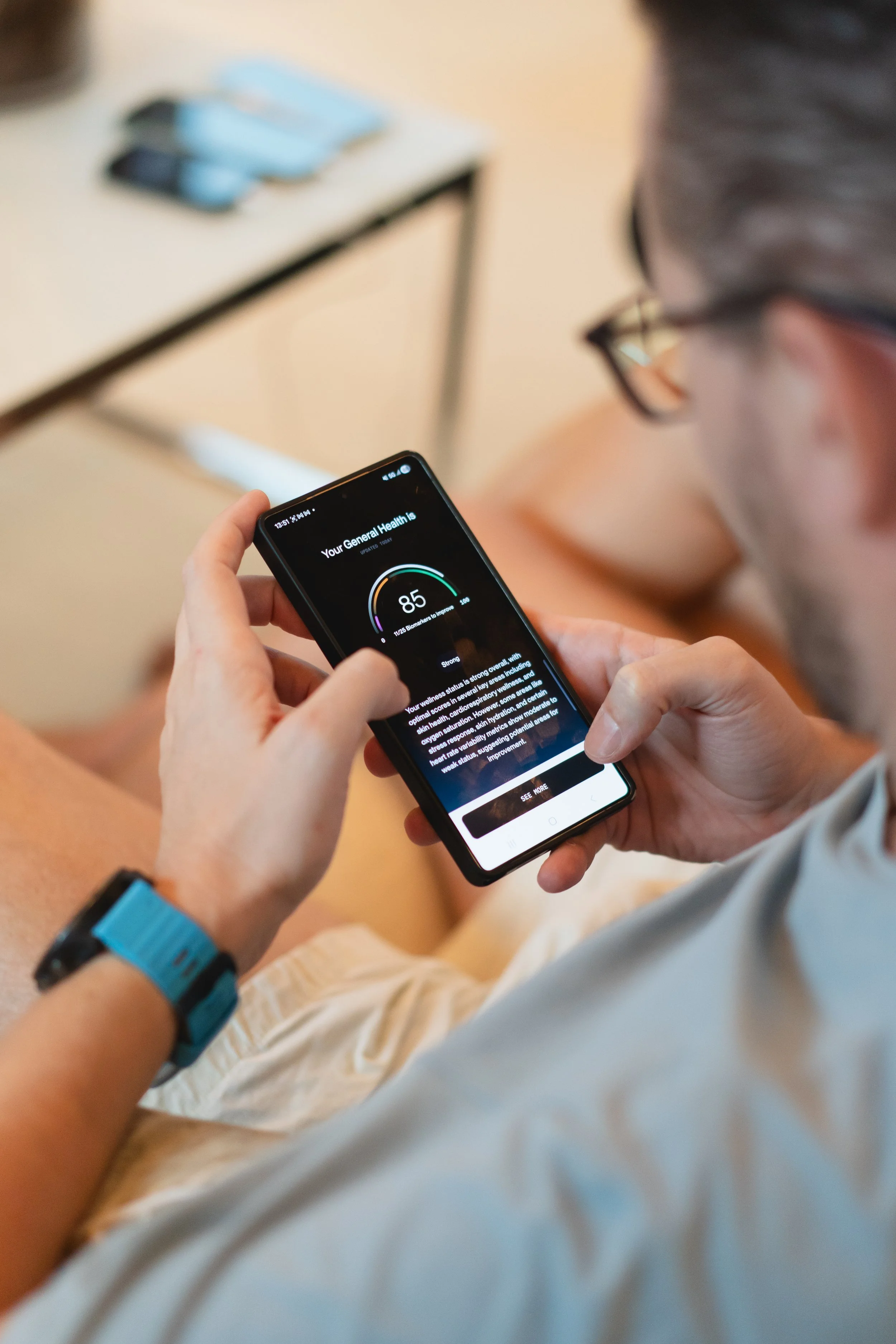
Without tracking and feedback, longevity cannot exist in a meaningful way. It requires data points, biomarkers and continuous assessment to validate whether an intervention is actually improving health outcomes.
Sentiment vs Optimization
The clearest distinction between wellness and longevity lies in their definitions of success.
Wellness optimizes experience and longevity optimizes biology.
Wellness asks whether something feels good, and longevity asks whether something improves function.
This creates two very different operating systems.
WELLNESS
Subjective
Intuitive
Experience-led
Emotion-focused
“How do I feel?”
LONGEVITY
Objective
Data-driven
Evidence-led
Outcome-focused
“How is my body performing?”

Neither approach is inherently superior. They simply measure different things and service providers especially, need to know what it is that their guests and customers are truly seeking with each.
Can Longevity Exist Without Measurement?
One of the most important distinctions, and one that is often overlooked in hospitality, is that longevity depends on measurement.
A restorative experience without measurement remains wellness. It may be beneficial, enjoyable, and deeply meaningful, but it is not necessarily longevity in a scientific sense.
For example:
A massage reduces stress and improves relaxation → wellness
A massage that demonstrably improves heart rate variability and stress biomarkers → longevity intervention
Similarly:
Running because it makes you feel good → wellness
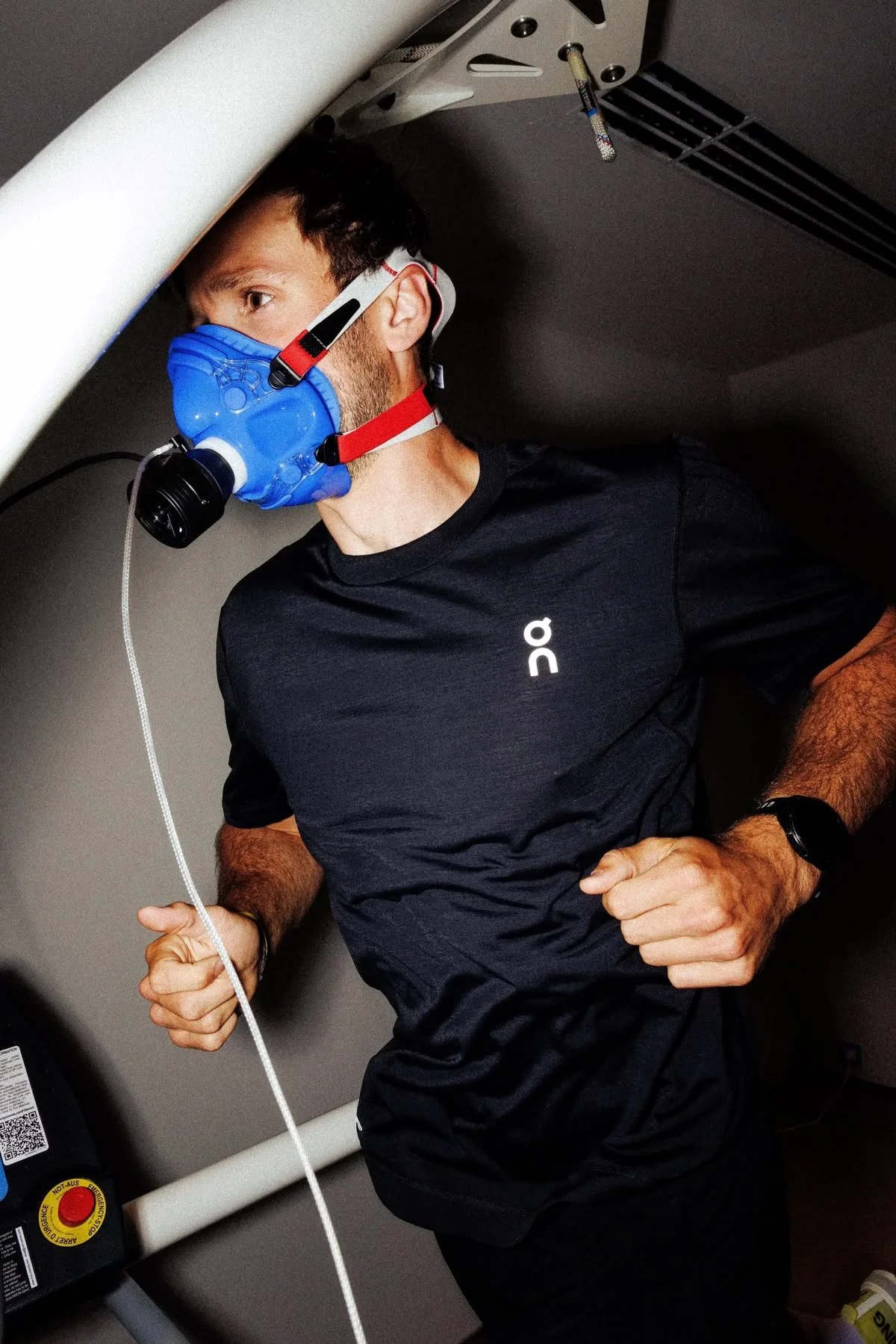
Running at a specific speed and duration to increase V02 Max → longevity
The defining characteristic of longevity is feedback. Without assessment, intervention, and reassessment, it becomes impossible to know whether true physiological improvement is occurring.
In that sense, longevity is not a single experience, it is a system.
Hospitality’s Current Confusion
Much of today’s hospitality landscape is caught between these two frameworks.
Hotels are increasingly introducing:
Cryotherapy
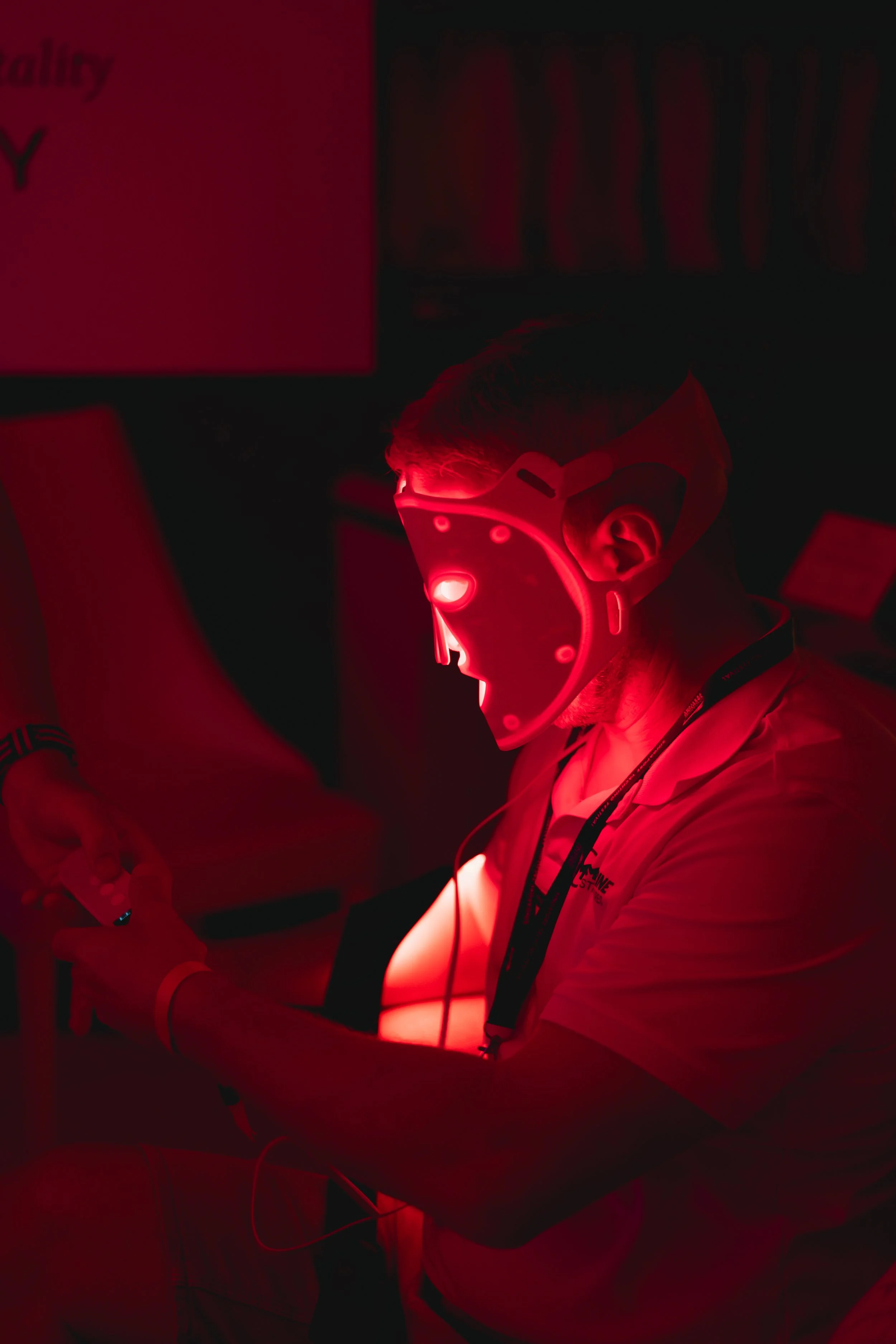
Red light therapy
IV drips
Hyperbaric oxygen chambers
Advanced recovery technologies
These are often positioned under the umbrella of longevity.
However, technology alone does not create a longevity program.
Without assessment, personalization, monitoring and outcome evaluation, these interventions remain isolated wellness experiences, just more technical versions of familiar treatments.
This is where the industry risks confusion: the language of longevity is being adopted faster than the methodology behind it.
The Future Is Not Either-Or
The industry risks making a mistake by treating longevity as the successor to wellness, as if one replaces the other.
In reality, they are complementary, but they also speak to different intentions.
Wellness and longevity are not just different approaches; they attract different mindsets. The same guest may move between them depending on what they need in the moment: restoration and emotional reset at one time, optimisation and performance at another. And in many cases, they are entirely different guests altogether: some drawn to experience and intuition, others to data, structure and measurable outcomes.
Wellness teaches hospitality how to create environments that support emotional and psychological wellbeing, spaces to slow down, release, and reconnect.
Longevity introduces the tools and science to extend and improve physiological health over time, systems that measure, guide and optimize human function.
The future of hospitality is not about choosing between them, but about knowing when (and for whom) each approach matters.
Closing Thoughts
Wellness and longevity are often placed on a single spectrum, but they answer different questions.
Wellness asks how we experience our health.
Longevity asks how our health performs over time.
As the wellness industry becomes increasingly mainstream, it is no longer serving a niche audience with a shared mindset. It is expanding into a broad spectrum of guests, each engaging with it for different reasons, at different depths, and with very different expectations.
The result is not just the evolution of services, but the evolution of audiences: everyone now wants a piece of wellness, but not in the same way.
For hospitality, the opportunity is no longer simply to offer wellness or longevity. It is to understand who you are speaking to, what they are seeking, and how they define value in the first place.
How Teiāh Hospitality is Shaping the Next Evolution of Wellness & Longevity
We work with hotels, resorts, residences, and wellness-driven brands that are navigating this exact shift—from wellness as experience, to wellness as a broader ecosystem that now includes longevity, performance, and measurable health outcomes.
Through our four core pillars: Spa & Beauty, Longevity & Health, Movement, and Food & Beverage, we design integrated wellbeing ecosystems that reflect the full spectrum of modern guest needs.
This includes everything from concept creation and wellness programming to longevity integration, guest journey design, and operational strategy, ensuring that wellness and longevity are not treated as competing ideas, but as complementary layers within a coherent hospitality offering.