Your Sleep Ritual Guide starts here.
Curated by Teiāh Hospitality
Singapore Yachting Festival 2026
Tap any section to jump straight to it ↓

Sleep is not a pause.
We spend approximately one third of our lives asleep. And the remaining two thirds are profoundly shaped by the quality of that time.
Sleep is not just rest. It is biologically active time, one of the body's most powerful ways of healing itself. While you sleep, your brain clears out the toxins that have built up during the day, your immune system gets stronger, your hormones get back in balance, and your body gets ready for the demands of tomorrow.
That is why sleep is not a lifestyle choice. It is a longevity strategy.
The quality of your nights sets the tone for the quality of your days.
The Science of Sleep
-
Sleep is divided into two essential phases, each performing critical functions for the brain and body.
• During deep NREM sleep, your brain strengthens neural connections and stores memories. The lymphatic system also turns on, getting rid of neurotoxins and metabolic waste that are linked to aging and cognitive decline.
• During REM sleep, the brain processes emotions, supports creative thinking, and enhances problem-solving ability. Studies on sleep deprivation and prefrontal cortex function show measurable reductions in executive performance after even one poor night.
-
Your body runs on a 24-hour biological clock known as the circadian rhythm. This system regulates hormone production, metabolism, immune function, and cellular repair. When it is aligned, the body can heal and restore itself at its best. But this clock is fragile. Irregular sleep schedules, late-night screen exposure, frequent travel, and chronic stress can all disrupt it, throwing your hormonal balance, metabolism, and recovery capacity off rhythm.
For frequent travellers, jet lag is one of the most acute disruptors — crossing time zones repeatedly can take days for the circadian clock to recalibrate, compounding the hormonal and metabolic effects of disrupted sleep. The effects are not limited to feeling tired. They reach every system in your body.
-
One of the most compelling links between sleep and longevity exists at the cellular level: DNA methylation, a chemical tagging system that controls how genes are turned on or off. Research shows that chronic sleep deprivation can alter methylation patterns in ways that accelerate biological ageing. Consistently poor sleep does not just make you feel older, it may cause your cells to age faster.
The quality of your sleep is written into your biology. The good news: it can be rewritten.
Sleep & Performance
Results Are Built in the Gym… and in Your Sleep.
Most people focus on what they do in the gym. Few realise that many of the results are built while they sleep.
During deep sleep, the body releases human growth hormone (HGH), one of the key drivers of muscle repair, lean mass development, and protein synthesis. Without adequate deep sleep, this recovery process is significantly reduced:
• Slower muscle recovery
• Increased risk of injury
• Prolonged soreness after training
Sleeping fewer than six hours per night significantly reduces HGH release, meaning that the effort you put into training delivers only a fraction of its potential.
Sleep also plays a critical role in regulating inflammation throughout the body. Chronic sleep deprivation elevates systemic inflammation, a major contributor to injury, pain, and long-term disease. Sleep also determines how quickly your mind recovers. Even one poor night impairs executive function, reaction time, and emotional regulation - effects that no amount of caffeine fully reverses.
More sleep. More results. It is that simple — and that profound.
Sleep & Metabolism
The hidden reason weight management is harder than it should be.
When you sleep poorly, two key hormones that regulate appetite fall out of balance:
Leptin ↓
the hormone responsible for satiety, decreases. As a result, you feel less satisfied after eating.
Ghrelin ↑
the hormone that stimulates hunger, increases. This leads to stronger cravings, particularly for foods high in fat and sugar.
Sleep deprivation also reduces insulin sensitivity, meaning the body becomes less efficient at using glucose as an energy source. Blood sugar rises, and the body is more likely to store excess energy as fat.
Elevated cortisol from poor sleep compounds this further — cortisol promotes glucose production and visceral fat storage, creating a cycle that's hard to break without addressing sleep at its root.
This fat accumulation often occurs in the abdominal region, the most metabolically dangerous area of the body and one strongly associated with cardiometabolic disease and accelerated aging.
Sleep is not separate from your health goals. It is the foundation they rest on.
Sleep & Longevity
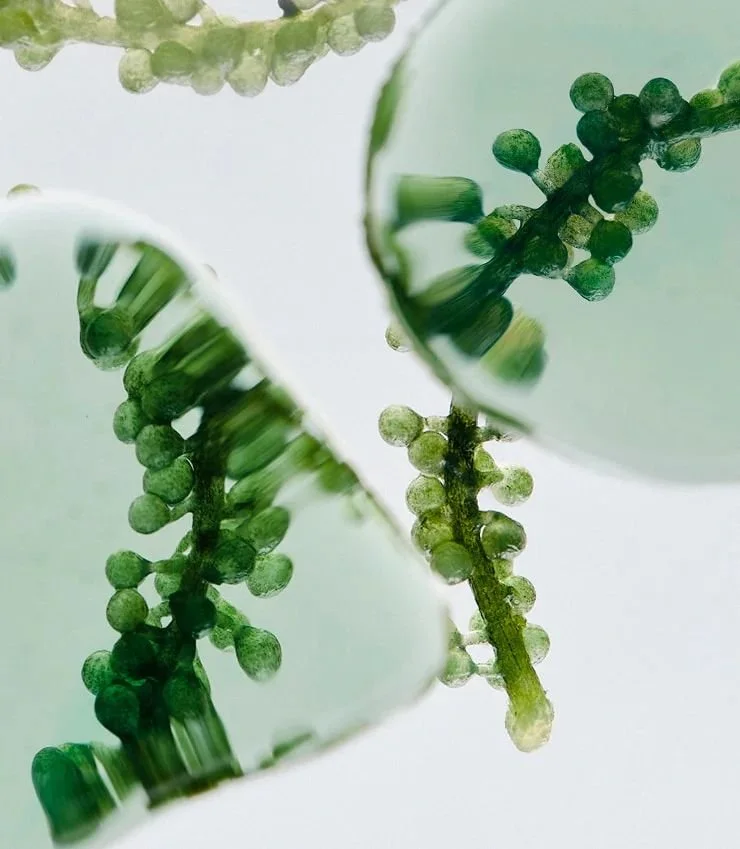
The science of living longer starts tonight.
Sleep is one of the foundational pillars of longevity. During the night, the brain clears toxins accumulated throughout the day, the immune system strengthens, and metabolic balance is restored.
Key longevity markers influenced by sleep quality:
• Telomere length
Chronic sleep deprivation is associated with shorter telomeres, an important biological marker of cellular ageing.
• Inflammatory markers (CRP, IL-6)
Poor sleep elevates systemic inflammation, a process closely linked to accelerated biological ageing.
• DNA methylation patterns
Sleep directly influences epigenetic regulation and the way genes involved in aging are expressed.
• Cortisol rhythms
Disrupted sleep can lead to persistently elevated cortisol levels, contributing to cellular stress and accelerated aging.
• HRV (Heart Rate Variability) A measurable marker of autonomic nervous system health and recovery capacity, HRV is directly improved by consistent, high-quality sleep and is one of the most sensitive real-time indicators of how well your body is recovering.
Longevity is not about living longer. It is about living better, for longer.
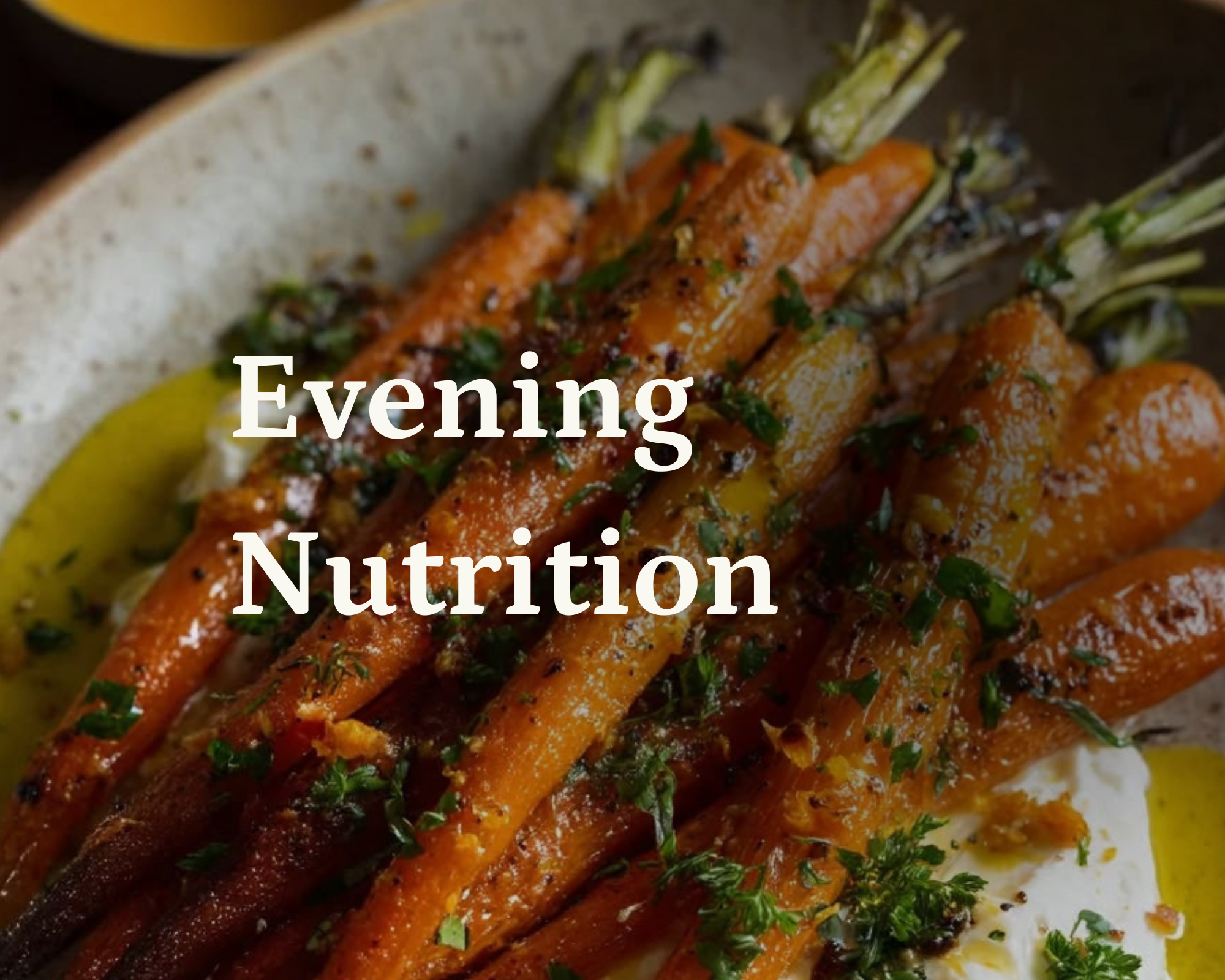
Evening Nutrition
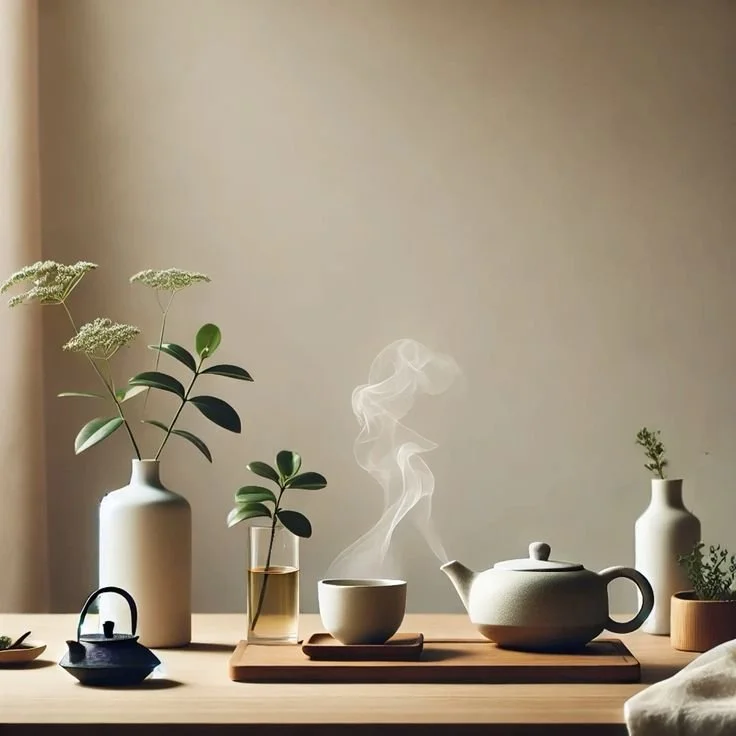
What you eat before bed shapes how well you sleep.
Food that support sleeps
• Tryptophan-rich foods: turkey, chicken, salmon, tuna, eggs, dairy (milk, yogurt, cheese), tofu, oats, nuts and seeds such as almonds and walnuts.
• Magnesium-rich foods: dark leafy greens, pumpkin seeds and almonds. Magnesium supports muscle relaxation and helps calm the nervous system.
• Complex carbohydrates: wholegrain bread, brown rice and oats. These help transport tryptophan to the brain more efficiently.
• Calming herbs: chamomile, valerian, passionflower and lemon balm.
What to avoid in the evening
• Caffeine after 2pm. Caffeine has a half-life of five to seven hours, meaning that a coffee consumed at 3pm can still retain about half of its stimulating effect at 8pm.
• Alcohol. While alcohol may help you fall asleep initially, it significantly disrupts REM sleep and reduces overall sleep quality.
• High-sugar or high-fat meals close to bedtime. These elevate blood sugar and body temperature, both of which can interfere with the onset of sleep.
Your Sleep Tea Ritual
Ingredients
Chamomile — 1 tsp dried (or 1 tea bag)
Fennel seeds — 1 tsp whole
Nutmeg — small pinch
Honey — 1 tsp
Optional: lemon balm or lavender
How to prepare
Steep for 5-7 minutes and drink 30-45 minutes before bedtime.
Why it works
Chamomile promotes relaxation and sleep onset
Fennel supports digestion
Nutmeg provides calming effects
Honey prevents 3am wake-ups
Try this evening
A calming digestive broth to support better sleep, by Alma Culinary Wellness Solutions.

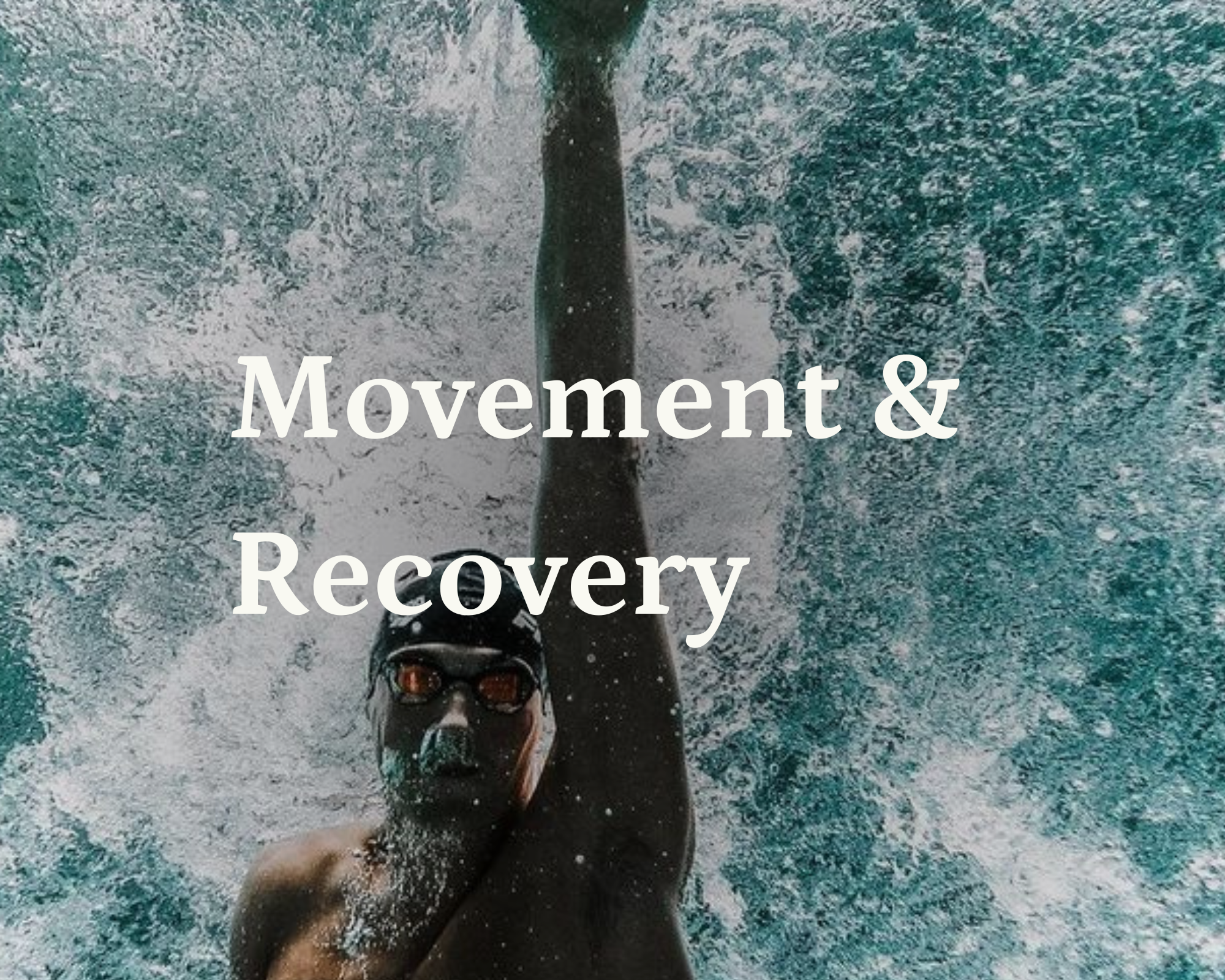
Movement & Recovery
What most people don’t realize about training in water.
Yes, you're working hard. Real cardio, real resistance, real effort. But because water naturally supports your body while you move, you're not leaving your nervous system in that frazzled, wired state that keeps you staring at the ceiling at 11pm.
Instead, the gentle pressure of the water around you helps your body shift into recovery mode. During the session your cortisol drops. Tension melts. By the time you step out of the pool, your body isn't fighting to wind down. It's already halfway there.
People notice it almost immediately. They sleep deeper. They wake up feeling restored. And that extra recovery compounds. Better sleep means more energy, more energy means better movement, better movement means better sleep.
The water doesn't just transform how you feel in the pool. It changes how you feel the other 23 hours of your day.
When you move with intention, you sleep better.
Audio Frequency & Sleep
Your brain operates at different electrical frequencies depending on your state of consciousness. Modern life keeps many people in high-frequency beta states, associated with alertness, stress, and constant cognitive activity. Transitioning into the slower alpha and theta states associated with deep relaxation and sleep preparation often requires deliberate support.
NuCalm uses clinically validated neuroacoustic technology, carefully designed soundscapes that guide the brain toward these restorative states. By helping shift the nervous system from a high-alert response into a parasympathetic relaxation state, NuCalm prepares the body and mind for deep rest and recovery.
Sound as a gateway to deep rest.

Red Light Therapy & Sleep
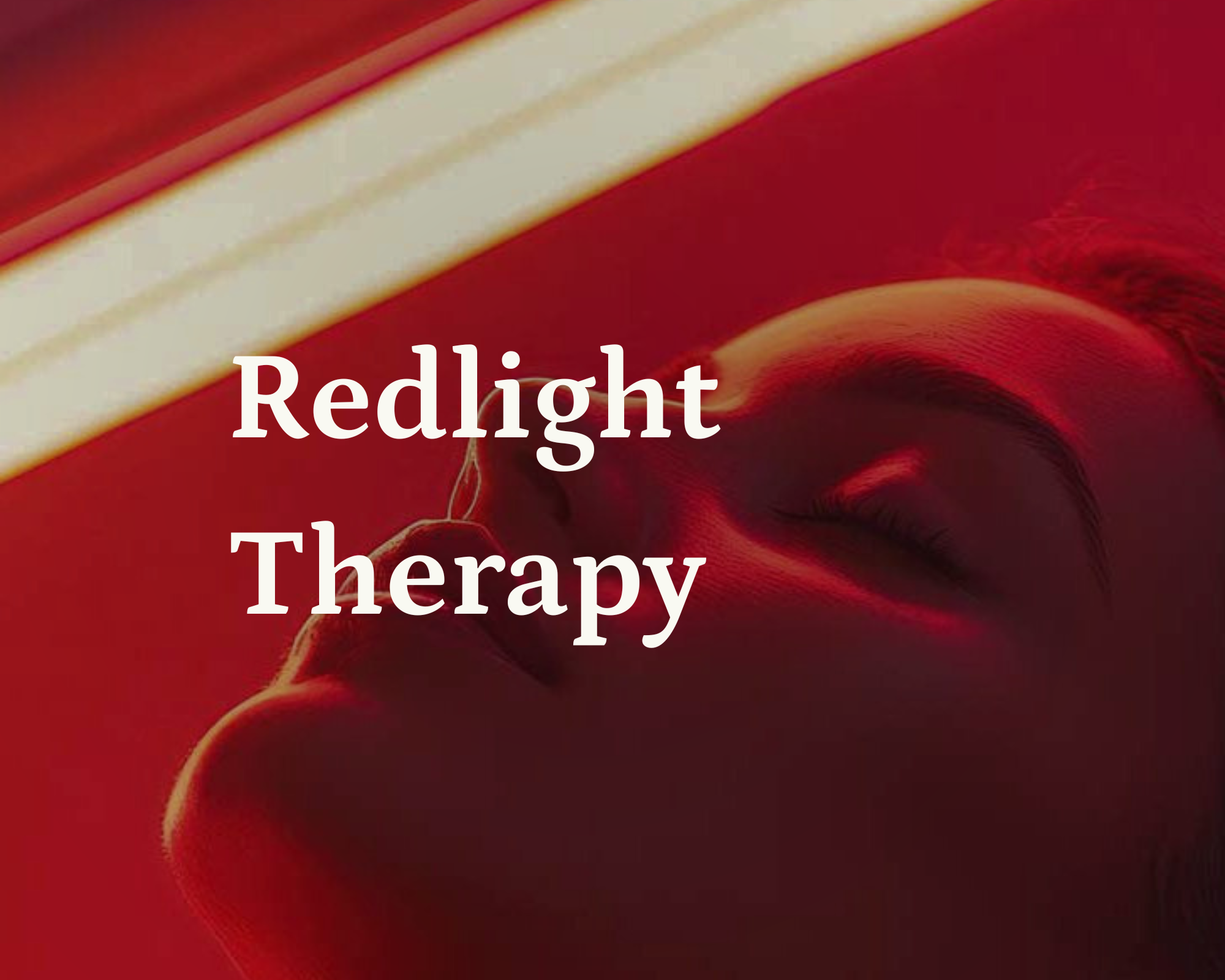
Delivered at wavelengths between 630–850 nm, red-light therapy helps calm the nervous system, support cellular recovery, and prepare the body for sleep, without disrupting melatonin production.
If you experienced the red-light meditation room on the yacht, the session combined therapeutic red light with guided meditation to help the body shift from stimulation to restoration.
FRQNCE designs technologies that restore the body’s natural frequency through light, energy, and intelligent systems aligned with human biology.
Your Red Light Therapy Mask Sleep Protocol
Use low-intensity red light for 15 minutes in the evening, about 60 minutes before bed, to support your natural melatonin rise and promote deeper, more restorative sleep.
Preparing the Body for Deep Rest.
A simple guide — starting tonight.
Sleep is not something that simply happens to you, it is something you prepare for.
Here is a simple daily framework you can apply, built around the science and rituals explored in this guide.
Your Daily Sleep Ritual
MORNING
6:00–8:00 am · Wake with the light
Spend 10–15 minutes in natural daylight to help set your circadian rhythm.
Any time · Move your body
Consider aqua fitness for a uniquely calming and restorative form of movement.
AFTERNOON
After 2:00 pm · No more caffeine
Any time · Consider cryotherapy
Cryotherapy may help reduce cortisol levels and support recovery, preparing the body for deeper sleep later in the evening.
EVENING
3 hours before bed - have your last meal
Try this sleep supporting recipe from ALMA Culinary Wellness Solutions.
2 hours before bed · Dim the lights
Switch screens to night mode or avoid them entirely.
60 minutes before bed · Red light and stillness
Use a red light therapy mask if you have one available.
45 minutes before bed · Your sleep tea
30 minutes before bed · NuCalm audio ritual
15 minutes before bed · Aromatherapy
Apply your sleep oil to wrists, temples, or the soles of the feet.
Bedtime · Your sleep environment
Complete darkness and a room temperature between 16–19°C.